Home / Wildlife
Meet the wildlife of Roo Road Rescue
Eight Australian animals you meet on the road in the game, and on real road trips: where they live, what makes them special, and how to slow down for them.
Many Australian animals are most active around dawn and dusk, which is also when drivers can see them least. In Roo Road Rescue you earn points for slowing down and keeping animals safe. These pages are the real-life version of the same idea.
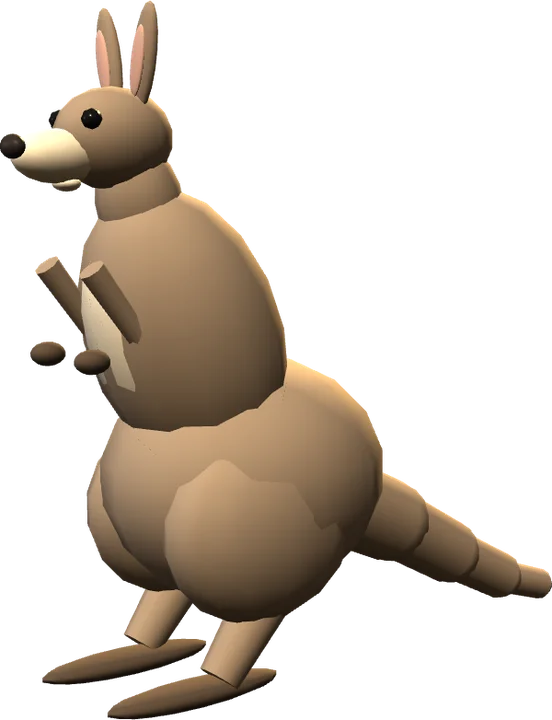
Eastern grey kangaroo
Macropus giganteus · Found: East coast & Tasmania
- Grazes at dawn and dusk, the riskiest hours on the road.
- Lives in mobs, so where one crosses, more often follow.
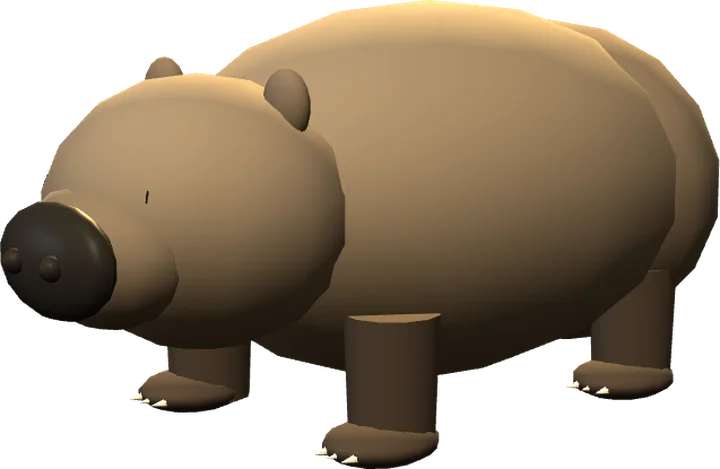
Common wombat
Vombatus ursinus · Found: South-east & Tasmania
- Leaves cube-shaped droppings to mark its patch.
- Mostly out at night, low to the ground and hard to see.
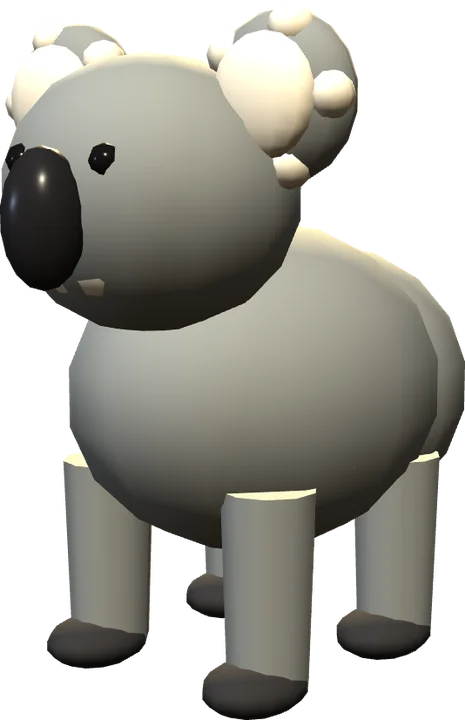
Koala
Phascolarctos cinereus · Found: Eastern Australia
- Sleeps up to 20 hours a day on a diet of gum leaves.
- Comes down to the ground to move between trees, often in spring and summer.
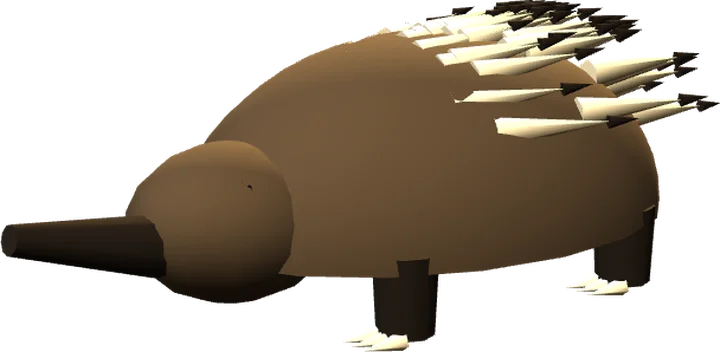
Short-beaked echidna
Tachyglossus aculeatus · Found: All over Australia
- One of the few mammals that lay eggs, along with the platypus.
- Rolls into a spiky ball or digs in when frightened.
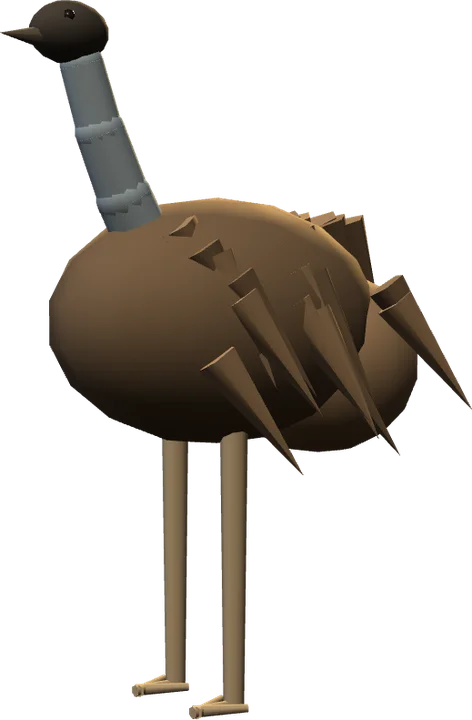
Emu
Dromaius novaehollandiae · Found: Most of the mainland
- Australia's tallest bird, up to about 1.9 m.
- Can sprint at around 50 km/h, but cannot fly.
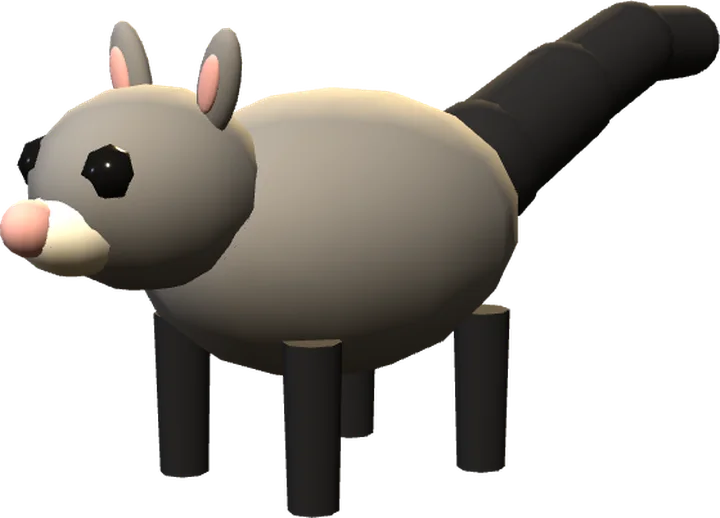
Common brushtail possum
Trichosurus vulpecula · Found: Across Australia, even cities
- Nocturnal, and right at home in backyards and roofs.
- Uses its long, bushy tail to grip branches.
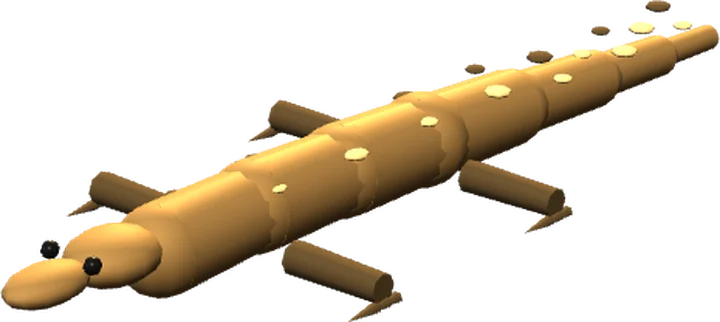
Lace monitor
Varanus varius · Found: Eastern Australia
- Can grow to about 2 m long.
- Warms up on sunny roads, which puts it in harm's way.
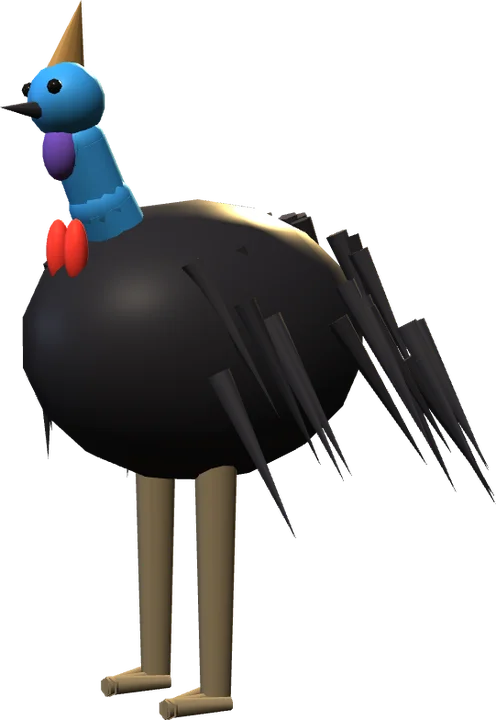
Southern cassowary
Casuarius casuarius · Found: Tropical north Queensland
- Endangered. Cars are one of the biggest threats to it.
- Spreads the seeds of many rainforest plants.
On real roads: slow down where you see the yellow wildlife signs, and only stop where it is safe. If you find injured wildlife, call your state's wildlife rescue service.
Ready to meet them behind the wheel? Drive the Big Lap around Highway 1 and fill in your Rescue Book.